The Fourth of July Blackout Was a Preview. Here's the Fix Connecticut Is Already Building.
Saturday night, the lights went out for a lot of us.
Thunderstorms tore across Connecticut on the Fourth of July, snapping trees, dropping golf-ball-sized hail in some towns, and shutting roads from the shoreline to the hills. At the peak, more than 95,000 Eversource customers were in the dark. Torrington declared a local state of emergency. Governor Lamont warned that repairs in the hardest-hit areas could take days, and Eversource pulled in crews from Massachusetts, New Hampshire, and Canada just to keep up. Here in the River Valley and along the shoreline, roads in Haddam, Madison, and Groton were closed while crews cleared what the storm left behind.
If your food spoiled, your sump pump quit, or you spent the holiday weekend listening for the hum of a neighbor's generator, you already know the part that doesn't make the news: an outage isn't an inconvenience anymore. It's a recurring event you can practically schedule.
So let's talk honestly about why this keeps happening — and about the fix Connecticut is quietly already building.
Why the grid keeps failing
None of this is bad luck. Three things are colliding at once.
The grid is old. Much of the poles-and-wires network delivering your power was built for a calmer climate and a smaller load. The storms are getting stronger and less predictable — Eversource itself said this one was more powerful and widespread than the forecast called for. And demand keeps climbing as more of our homes, heat, and cars run on electricity.
When you push a rising load through aging infrastructure during more violent weather, the outages you saw over the weekend aren't the exception. They're the trend line.
The usual responses treat the symptom. A gas generator is a loud, fuel-hungry box that only matters a few days a year. Buying solar panels alone lowers your bill but still leaves you dark when the grid goes down, because standard grid-tied solar shuts off in an outage for safety. Neither one fixes the underlying problem, which is that you're a passive customer at the mercy of a single fragile system.
There's a better model. And it's not theoretical — it's already being deployed across the state.
What a Virtual Power Plant actually is
Here's the shift in thinking that changes everything: the fix isn't a bigger power plant. It's thousands of small ones.
A Virtual Power Plant, or VPP, is a network of home batteries — each one sitting quietly in a garage or basement — that a program operator can coordinate together. Individually, each battery is small. Linked together and managed intelligently, they act like a clean, instant power plant distributed across the whole state, with no smokestack and no new transmission lines.
When the grid is strained on a hot afternoon, those batteries discharge together to take pressure off the system. When power is cheap and plentiful, they charge back up. Multiply that across thousands of homes and you have a resource that stabilizes the grid from the edges instead of from one giant, vulnerable central station.
This is not a fringe idea in Connecticut. The state's Energy Storage Solutions program — run through Eversource and United Illuminating — already pays homeowners to let their batteries support the grid during peak demand, and Connecticut has set a goal of deploying hundreds of megawatts of storage by 2030. The utilities are actively building toward a grid that leans on distributed home batteries. The VPP model isn't the future of Connecticut's grid. It's the direction it's already moving.
What it looks like from your kitchen
This is where I'd ask you to set aside how you've always thought about solar.
The program I work with isn't really a solar purchase. It's better understood as an alternative electricity plan — a different way to buy the power your home already uses.
Here's the arrangement in plain terms. Your home gets a solar system and a battery installed at no upfront cost. In exchange, you agree to a fixed electricity rate and you become part of the Virtual Power Plant.
Under normal conditions, the program sponsor uses your battery to buy and sell electricity with the utility — charging when it makes sense, discharging to support grid reliability when it's needed. That grid activity is what generates the revenue that funds the equipment sitting in your home. You're not managing any of it; it happens in the background.
And when the grid goes down — like it did Saturday night — the battery does the one thing a standard solar panel can't. It keeps your home's power on. While the block goes dark, your essentials stay running.
Let me be straight about what that means, because I'd rather you have accurate expectations than a sales pitch. A home battery is built to carry you through an outage and to keep your critical loads running — it is not the same thing as whole-house surge protection, and it won't cover unlimited demand forever. The point isn't magic. The point is that you stop being a passive customer of one fragile system and become a small, resilient node in a stronger one — with a fixed rate and the lights on when it counts.
Why this matters more after this weekend
The homeowners who sat comfortably through Saturday's storm weren't lucky. They'd already made a decision the rest of us are now thinking about with the food still warm in a cooler on the porch.
The grid isn't going to get younger, and the storms aren't going to get gentler. You can keep absorbing the outages, or you can become part of the system that's designed to prevent them — and get backup power and a predictable rate in the bargain.
That's the honest case for the Virtual Power Plant model, and it's the reason I do this work.
I'm Becca Pepitone, founder of Black Hall Sun, an independent solar consultancy serving the Connecticut Shoreline and River Valley. After nearly 20 years in Connecticut's renewable energy market, my job is to give you straight answers — not a hard sell. If you want to understand whether a Virtual Power Plant plan makes sense for your home, reach out. I'd rather talk you through it honestly than sell you something you don't need.
Lower Your Electric Bill Without Spending a Dime Up Front: Solar + Battery, Now in Connecticut
Let's be honest about your Eversource bill.
It's gone up. Again. And it'll almost certainly go up at the next rate review, and the one after that. You can switch energy suppliers all you want, but that delivery charge — the biggest, fastest-growing part of your bill — isn't something you're allowed to negotiate away.
There is one move that actually changes the equation: making your own power on your own roof. And right now, you can do it in Connecticut with no money down and battery backup included.
Pay for power, not panels
Here's the idea in one sentence: instead of buying a solar system, you simply pay for the clean energy your roof produces — at a rate you lock in from the very first day.
No giant check up front. No equipment to buy. No maintenance to worry about. The system is owned, insured, and fully maintained for you, and your home joins a network of homes working alongside the utility to keep the grid stable. You just enjoy lower, steadier energy costs and a home that keeps its lights on when the grid doesn't.
What you get
$0 down. Nothing out of pocket to get started.
A locked-in rate for your solar power — set on day one, so you're no longer at the mercy of Eversource's surprise increases.
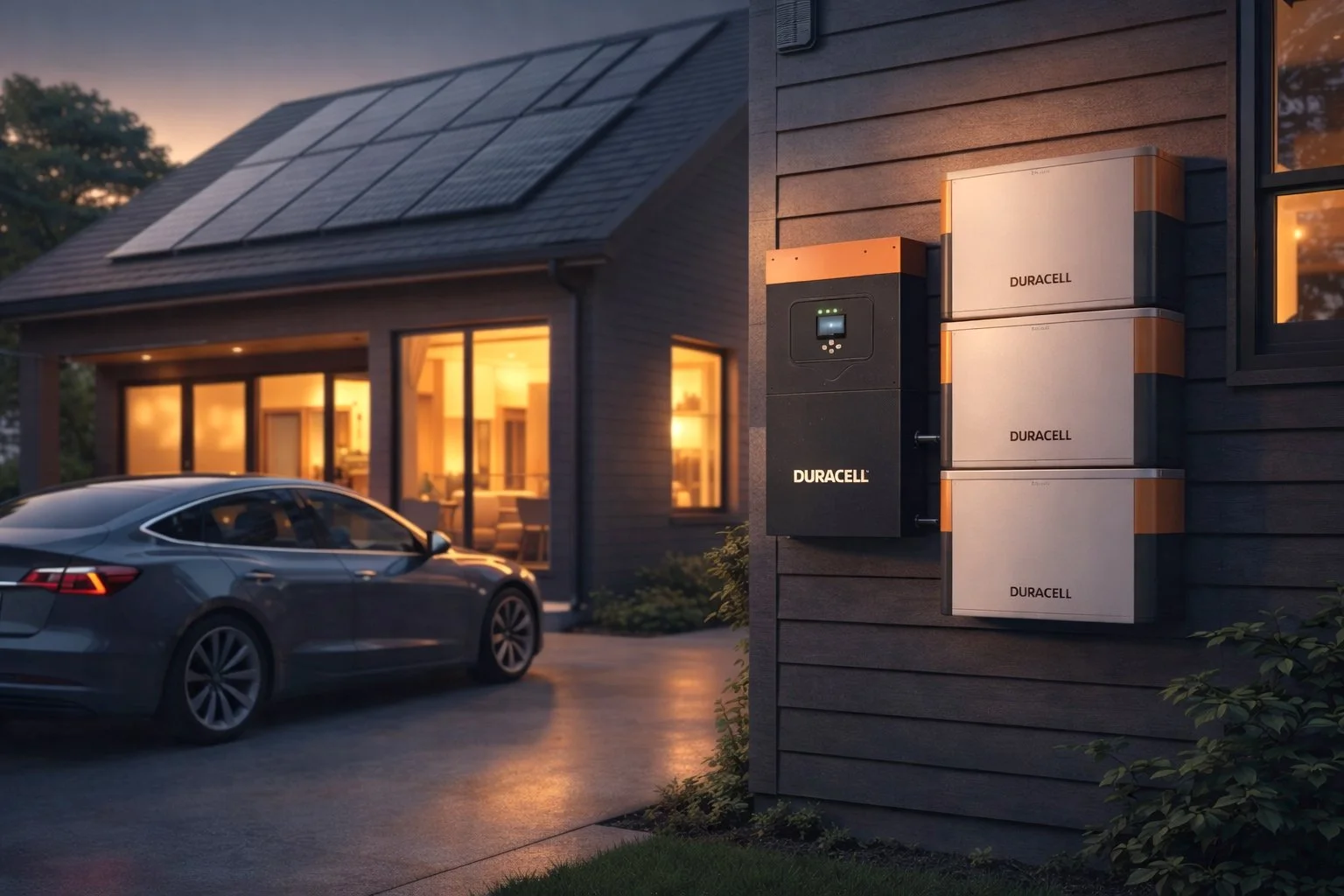
Battery backup included at no extra cost — keep your home (or your critical circuits) running through the next storm.
Owned, insured, and maintained for you. If anything ever needs service, it's covered — for decades.
A production guarantee, so if your system ever underproduces, you're made whole.
Simple to qualify — no hard credit check to find out if you're a fit.
So how much could you save?
Here's the part that gets people's attention: most Connecticut homeowners are paying around 30 cents per kilowatt-hour once supply, delivery, and public-benefits charges are stacked up — and that number keeps marching upward.
The power your own roof makes is locked in well below that — and it rises only a small, predictable amount each year instead of jumping with every utility rate review. For many homeowners, that means savings starting on day one, plus protection from the increases everyone else is stuck riding.
What does that look like for your home? That depends on your roof, your usage, and how much of your bill we can offset — which is exactly why we don't post a one-size-fits-all number. We'd rather show you the real figures for your house.
Why your neighbors are choosing it
They're tired of watching their bill climb with no end in sight.
They want backup power for the storms that knock out the shoreline every year.
They like the idea of going solar without a big upfront cost or a loan.
They want to deal with a local company that gives straight answers — not a national call center.
See your numbers — free, and no pressure
This is the easy part. Send us a little about your home and we'll put together a free, side-by-side comparison: what you're paying Eversource now vs. what you could be paying. No obligation, no hard sell — just honest numbers for your specific home.
It takes about two minutes to get started, and it could be the move that finally gets you ahead of the rate hikes for good.
📞 Call or text Rebecca at 203-494-9523 ✉️ Email rcpepitone@gmail.com 💻 Or request your free comparison here: https://www.blackhallsunsolar.com/contact
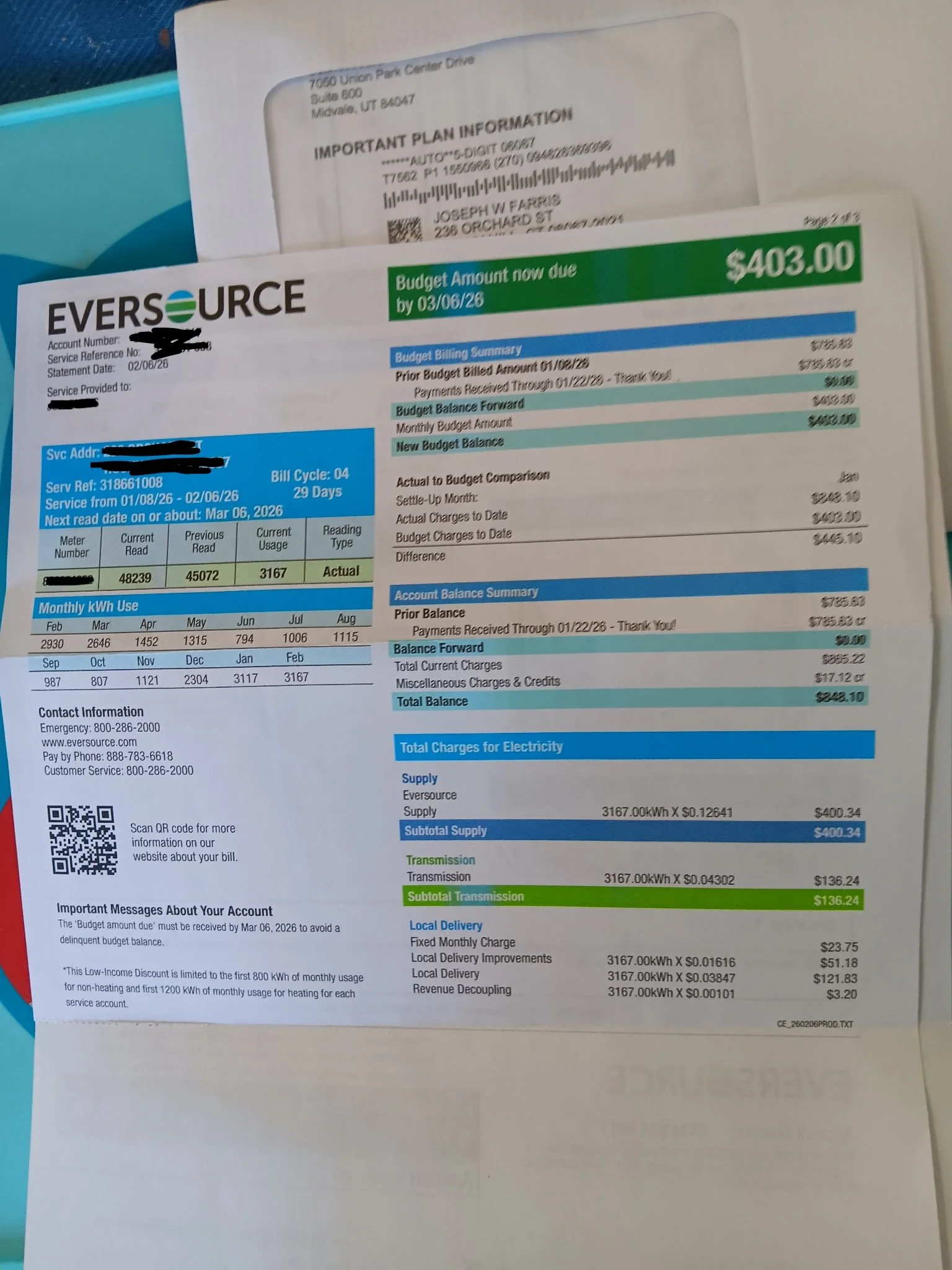
To make your estimate accurate, it helps to have a recent Eversource bill handy — a photo or PDF is perfect.
Reach out today for a free, no-pressure look at your home and a side-by-side comparison of what you're paying now versus what you could be paying. Let's get you ahead of the next rate hike — for good.
Black Hall Sun · Rebecca Pepitone, Solar Consultant · License HIC.0705536. Savings and system details vary by home and are confirmed in your written proposal. Battery configuration, system size, and eligibility are determined during your free consultation.
Solar Panels in Old Saybrook, CT | A 2026 Shoreline Guide — Black Hall Sun
Going Solar on the Connecticut Shoreline: An Old Saybrook Homeowner's Guide for 2026
---
If your Eversource bill keeps climbing and you've started wondering whether solar actually makes sense for a shoreline home, this guide is for you. Here's a straight, local look at what going solar in Old Saybrook and the surrounding shoreline towns really involves in 2026 — no hype, no pressure.
## First, a little about who's writing this
Black Hall Sun is based right on Main Street in Old Saybrook, and it's run by me, Rebecca Pepitone. I've spent nearly 20 years in renewable energy — I owned and operated Waldo Renewable Electric from 2006 to 2023, and I've run Regenerative Lending, a clean-energy financing company, since 2018.
I started Black Hall Sun in 2026 to bring that experience home to the shoreline. I handle the part where most homeowners have questions: designing the right system for your home and walking you through the numbers honestly. My partner on the build side, West Hartford Solar, an established Connecticut installer, handles the site assessment, permitting, and installation. You get a local, experienced guide up front and a proven crew in the field.
That mix — design plus financing plus a real installer — is the lens this guide is written through.
## Does solar even make sense on the shoreline?
For a lot of Old Saybrook–area homes, yes — but it depends on a few things specific to your property:
- Your roof and shading. South-facing roofs with minimal shade are ideal, but east/west roofs work well too. Mature trees common in shoreline neighborhoods can matter, so this gets checked during the site assessment.
- Your current Eversource usage. The higher your bill, the more there is to offset. If you run AC through humid shoreline summers or have an electric vehicle, solar tends to pencil out faster.
- Your goals. Some homeowners want the lowest possible monthly cost; others want long-term independence from the grid. Those lead to different system and incentive choices.
The honest answer is that solar is a great fit for many shoreline homes and not the right call for a few — and a good designer will tell you which one you are before you sign anything.
## The 2026 Connecticut incentives, in plain terms
Connecticut homeowners have real financial reasons to go solar right now:
- The 30% federal tax credit on the cost of a third party owned system. (Incentive does not go directly to the homeowner)
- Connecticut's Residential Renewable Energy Solutions (RRES) program through Eversource, which lets you earn credits or cash for the power your panels produce. There are two paths — a "Buy-All" option with locked-in rates and a "Netting" option built around energy independence — and choosing between them is one of the more important decisions in your design. (I broke these down in detail in a separate post on the blog.)
- Connecticut's 100% property tax exemption on the home value your solar system adds — your property taxes don't go up because you went solar.
The federal and state pieces stack, which is what makes 2026 a genuinely strong year to move.
## "But I don't have $30,000 sitting around"
You don't need it. This is the part homeowners most often don't realize. Between solar loans and $0-down Power Purchase Agreements, most people go solar without a large upfront payment — they simply replace a chunk of their Eversource bill with a lower, more predictable solar payment. Financing happens to be the area I've spent the most time in, so if the money side is what's been stopping you, that's exactly the conversation I like to have. (There's a full post on the $0-down PPA option on the blog, too.)
## How it actually works, step by step
1. We talk and I design your system. I look at your real Eversource usage and your roof, then design a system sized to your home and lay out a clear proposal — including which incentive path makes sense and what the financing looks like.
2. West Hartford Solar assesses the site and pulls permits. Once you're ready, their team confirms the technical details on site and handles the paperwork with the town and Eversource.
3. They install it. Their licensed crew does the installation and sees it through final inspection and activation.
4. You start saving. Once the system is switched on, your bill reflects it.
One relationship from first question to switched-on system — with a neighbor on the design side, not a national call center.
## The towns we serve
Black Hall Sun works with homeowners across the shoreline and Middlesex County, including Old Saybrook, Westbrook, Clinton, Essex, Old Lyme, Madison, Deep River, Chester, Killingworth, and the surrounding area.
## Curious what your home would save?
The best next step is a no-pressure look at your actual Eversource bill and your roof. I'll tell you honestly whether solar makes sense for your home, which incentive path fits, and what the numbers look like with no money down.
Black Hall Sun
48 Main Street, Old Saybrook, CT 06475
203-494-9523 · rebeccap@westhartfordsolar.com
Reach out for a free, no-obligation solar review.
Connecticut Electric Rate Payers: How to Bypass Eversource Hikes with $0 Down Solar
Stop Letting Eversource Control Your Budget
Are you tired of watching your monthly Eversource CT electric bill climb higher every year?
You are not alone. Millions of Connecticut rate payers want to switch to clean, renewable solar energy. However, they hit the exact same roadblock: the massive upfront cost of buying solar panels.
If you do not have tens of thousands of dollars sitting around to buy a system outright, there is a brilliant alternative. It is called a Solar Power Purchase Agreement (PPA).
A PPA allows you to go solar for $0 down, immediately drop your monthly utility costs, and lock in long-term savings. Here is exactly how it works and why it is the smartest way to bypass unpredictable utility spikes.
What is a Connecticut Solar PPA?
A Power Purchase Agreement is a simple financing model where you do not buy the equipment. Instead, a solar company installs, owns, and maintains the solar panels on your roof at absolutely no cost to you.
Instead of paying a massive bill to buy hardware, you simply agree to buy the clean electricity the panels produce. You are just swapping your expensive Eversource delivery fees and high supply charges for cheaper, cleaner solar power.
Traditional Purchase: [Big Upfront Cost] + [Maintenance Stress] = Solar Power
PPA Framework: [$0 Down Payment] + [Free Maintenance] = Lower Electric Bills
The Benefits: Why a PPA Makes Perfect Sense
1. True $0 Down Financing
The biggest barrier to clean energy is the upfront price tag.
With a PPA, your upfront cost is literally zero.
The provider handles engineering, permitting, equipment costs, and installation.
You get all the benefits on day one without touching your savings.
2. Immediate Utility Savings
The moment your PPA system turns on, your electric bill plummets.
The rate you pay for solar electricity is locked in.
It is significantly lower than standard Eversource CT electric rates.
You only pay for the exact kilowatt-hours (kWh) the panels generate.
3. Protection Against Energy Inflation
Utility companies raise their rates almost every year.
A PPA makes your monthly overhead predictable.
It protects your household budget against unpredictable public benefit charges.
You effectively insulate your home from future grid price hikes.
4. Zero Maintenance or Repair Costs
Because you do not own the panels, you never pay for repairs.
The solar company handles all monitoring, maintenance, and insurance.
This protection lasts for the entire 20-to-25-year agreement.
If a storm damages a panel, it is fixed completely on their dime.
How It Protects You Long-Term
Think of a PPA as a direct shield against your local utility monopoly.
Over a 20-year period, traditional grid rates are projected to compound significantly. By locking in a lower, stable rate today, you take full advantage of Connecticut's Residential Renewable Energy Solutions (RRES) program structures.
The gap between what you would have paid the utility company and what you actually pay for solar grows wider every year. Those monthly differences accumulate into thousands of dollars in pure savings—all from a system you paid nothing to install.
Is a PPA Right for Your Home?
If your goal is to maximize long-term equity and claim federal solar tax credits, buying a system outright or using a solar loan might be your best bet.
However, a PPA is the ultimate choice if you want to:
Avoid taking on new debt or spending cash upfront.
Start saving money on your very next electric bill.
Secure 20-year rate protection against local utility hikes.
Enjoy the peace of mind that comes with free, hands-off maintenance.
See How Much Your Roof Can Save
Ready to see if your home qualifies for the Energize CT solar pathway? Let us build your custom savings report.
To find the best option for your home, let me know:
Your average monthly electric usage (in kWh or dollars)
Your home address (to check roof shading and solar viability)
Eversource Buy-All vs. Netting: 2026 CT Solar Incentives Explained
Solar Incentives Eversource - Net Metering in Connecticut
Connecticut's Residential Renewable Energy Solutions (RRES) program through Eversource lets you monetize your home’s clean energy. You can earn valuable credits on your electric bill by selling excess solar power and Renewable Energy Certificates (RECs) back to the grid.
When we design your system, we will help you choose between two distinct incentive paths.
Path 1: The "Buy-All" Incentive
Eversource purchases 100% of the electricity your solar panels generate.
PURA Rates: Payout rates are fully approved by Connecticut regulators.
Flexible Payouts: Take monthly bill credits or quarterly cash.
Quarterly cash requires a designated non-account holder payee.
You can choose to split your earnings by percentage.
Grid Reliance: You purchase all household electricity normally from Eversource.
Annual Cash-Outs: Unused bill credits cash out annually to the account holder.
2026 Locked Rates: Earn $0.3289 per kWh fixed for 20 years.
Dual Meters: One tracks your solar production; one tracks your grid consumption.
Path 2: The "Netting" Incentive
Power your home with clean energy first and bank the leftovers.
Net Billing: Excess solar goes to the grid for retail-rate credits.
Endless Rollovers: Credits roll over monthly until you close your account.
$0 Baseline RECs: The 2026 standard REC add-on rate is currently $0.
Income-eligible household bonuses may still apply.
Solar Production Charge: 2026 projects pay a $0.0402 per kWh adjustment.
We build this line item directly into your savings estimate.
Two Meters: One tracks your grid imports/exports; one tracks total solar generation.
Which Path is Right for You?
Choose Buy-All if you want guaranteed, premium cash returns locked in for 20 years.
Choose Netting if you want long-term energy independence and plan to add an EV or battery storage later.